By: Judy Davie - The Food Coach
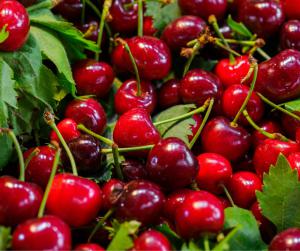 Enjoying a big bowl of fresh cherries sure tastes like summer - but there's good reason cherries deserve the spotlight beyond just their deliciousness. Here's what the science says, and how to enjoy them sensibly. Enjoying a big bowl of fresh cherries sure tastes like summer - but there's good reason cherries deserve the spotlight beyond just their deliciousness. Here's what the science says, and how to enjoy them sensibly.
Why cherries are more than just a festive treat
Cherries - both sweet and tart varieties - are packed with nutrients and plant compounds that may support your health in several ways.
They deliver a dose of fibre, vitamin C, potassium and other minerals. One cup (about 154 g) of pitted sweet cherries gives ~3 g fibre, ~10 % of your daily potassium needs, and a useful amount of vitamin C to support immunity and skin health.
They are rich in antioxidants and anti-inflammatory compounds, especially polyphenols such as anthocyanins. These help fight oxidative stress and reduce inflammation - a key factor linked to chronic diseases, ageing and joint issues.
What actual studies show
Research (though often small-scale) points to a number of promising effects when cherries are eaten or drunk as juice/ concentrate:
Lower markers of oxidative stress and inflammation in many studies.
Reduced exercise-induced muscle soreness and quicker recovery after activity.
Lower blood pressure in several trials.
In a recent pilot study, daily consumption of 280 g of sweet cherries for six weeks improved glucose regulation, lowered inflammatory markers, and suggested benefits for liver-related enzymes.
Improved sleep quality - especially with tart cherries. Cherries naturally contain melatonin and anthocyanins, which in some studies helped people fall asleep more easily and sleep longer or more efficiently.
All up, cherries look like a tasty way to help fight inflammation, support metabolic and cardiovascular health, aid recovery and even help with sleep - when eaten as part of a varied, balanced diet.
But - too much of a good thing can backfire
As cherries are delightful and often abundant in summer, it's easy to overdo them. Here are some cautions:
Cherries are moderately high in fructose and sorbitol - natural sugars that some people digest poorly. Too many can lead to gas, bloating, even diarrhoea, especially in those with sensitive guts or conditions like IBS.
Because they provide carbohydrates and natural sugars, people monitoring blood glucose should treat them like any other carb source.
As with any single fruit, relying too heavily on cherries means missing out on the broader nutritional benefits of a varied diet.
A good rule of thumb: Portion with pleasure
Here's a suggested "Cherry Sense" guide for enjoying cherries without overdoing it:
Aim for about ½ to 1 cup of cherries at a time - that's roughly 10 to 20 cherries - and treat as a treat a few times a week.
Mix with other foods - yoghurt, nuts, cheese, salads - rather than eating a whole bowl on their own.
Spread your fruit intake across different fruits/colours (berries, stone fruit, citrus, etc.), not just cherries.
Notice how your body responds - if you get bloating, digestive upset or blood-sugar swings, dial back.
Comments
Be the first to comment!
|