make your own. ">
print Print this page

Preserved lemon

In season all year

Food Description:

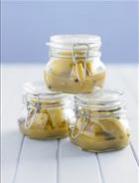
Preserved lemon is such an asset in the kitchen. It adds a blast of flavour to vegetables and slow cooked meats and a little goes a very long way. To make preserved lemons, the lemons are cut into wedges with salt rubbed into it's skin. The wedges are then stored in jars in lemon juice for about 6 weeks until the salt and lemon breaks through the fibre of the lemon peel making it soft.
Use the skin and not the flesh of the lemon when cooking.
Preserved lemons can be bought in jars near the other pickles and condiments or you can make your own.

General Information:

Category: Condiment
To Buy: Buy in jars or make your own
To Store: Once opened store in the fridge
Tips and Tricks: Cut into small slivers and add to stuffing for chicken. Roast veggies are delicious with preserved lemon. Use in rice or quinoa pilafs

Nutrition (Per serve):

Weight (grams): 15
Carbohydrates, g: 0.2
Protein (g): 0.0
Saturated Fat, g : 0.0
Amines: Amines come the breakdown or fermentation of proteins. High amounts are found in cheese, chocolate, wine, beer and yeast extracts. Smaller amounts are present in some fruits and vegetables such as tomatoes, avocados, bananas.

For those with sensitivities, low foods are almost never a problem, moderate and high foods may cause reactions, depending on how sensitive you are and how much is eaten. Very high foods will most often cause unwanted symptoms in sensitive individuals. No information available
Glutamates: Glutamate is found naturally in many foods, as part of protein. It enhances the flavour of food, which is why foods rich in natural glutamates such as tomatoes, mushrooms and cheeses are commonly used in meals. Pure monosodium glutamate (MSG) is used as an additive to artificially flavour many processed foods, and should be avoided, especially in sensitive individuals as it can cause serious adverse reactions. n/a
Energy (kJ): 16
Low GI < 55: Glycaemic Index refers to the rate at which carbohydrate rich foods are converted to glucose for energy by the body; Low GI carbohydrtes release glucose is released slowly into the bloodstream and help to regulate energy levels and insulin production.
Fat (g): 0
Monosaturated Fat , g: 0
Salicylates: Naturally occurring plant chemicals found in several fruits, vegetables, nuts, herbs and spices, jams, honey, yeast extracts, tea and coffee, juices, beer and wines. Also present in flavourings, perfumes, scented toiletries and some medications.

For those with sensitivities, low foods are almost never a problem, moderate and high foods may cause reactions, depending on how sensitive you are and how much is eaten. Very high foods will most often cause unwanted symptoms in sensitive individuals. No information available

Cooking:

Cooking Tips:

Benefits the Following Health Conditions:*

* This information is sourced by a qualified naturopath. It is non prescriptive and not intended as a cure for the condition. Recommended intake is not provided. It is no substitute for the advice and treatment of a professional practitioner.


Facebook Twitter RSS