 Print this page
Print this page
Print this page
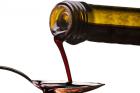
Traditional balsamic vinegar is made from Trebbiano grapes grown on the hills in Modena, Italy. The natural fermentation process is extremely slow, followed by progressive concentration, aging the vinegar in casks made from different types of wood. Modena balsamic is dark brown with a complex but pleasant fragrance and sweet/sour flavour.
Commercial balsamic is a cheaper imitation made possible by speeding up the fermentation and aging process and using grapes from other areas.
| Category: | Condiment |
| To Buy: | Invest in one very good quality, naturally fermented balsamic - and another less expensive one. Use the best for salads and raw ingredients and the other for cooking. |
| To Store: | Vinegar is an acid and used as a preservative its shelf-life is almost indefinite. Colour changes, haze and sediment are not an indication of the product deteriorating. Vinegar can be stored in the cupboard. |
| Tips and Tricks: |
|
|
Cooking Tips: Use in salad dressing (1 part vinegar, 3 - 4 parts olive oil). Sprinkle on cooked meats to add flavour and aroma. Delicious over strawberries.
* This information is sourced by a qualified naturopath. It is non prescriptive and not intended as a cure for the condition. Recommended intake is not provided. It is no substitute for the advice and treatment of a professional practitioner.
Disclaimer:
The Food Coach provides all content as is, without warranty. The Food Coach is not responsible for errors or omissions, or consequences of improper preparation, user allergies, or any other consequence of food preparation or consumption.


