
 Print this page
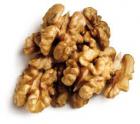
Walnut
In season all yearFood Description:
Shells from walnuts discovered on archeological digs date back to Neolithic times. The walnut is one of the most nutritionally rich nuts available and an extremely valuable source of Omega 3 fats. The main walnut produced today is the English walnut. They are native to Europe and Asia but are now grown extensively in California. The walnut is surrounded by a shell with two compartments each holding a dark golden nut with a very distinctive shell and "brain like" form.
Because of the high fat content walnuts and walnut oil can go rancid quite quickly.
Buy shelled and unshelled. Unshelled is the safest way to ensure the walnut is fresh. Otherwise buy shelled, whole walnuts from a supplier with a high turnover of produce.
To prevent walnuts becoming rancid, store them in the fridge or in a cool, dry cupboard away from direct sunlight for up to three months. Walnuts can also be stored in the freezer for up to 6 months.
General Information:
| Category: | Nut |
| To Buy: | Buy shelled and unshelled. Unshelled is the safest way to ensure the walnut is fresh. Otherwise buy shelled, whole walnuts from a supplier with a high turnover of produce. When buying unshelled, look for undamaged shells with no tiny wormholes. Buy ones that feel heavy for thier size. If they rattle when shaked, the nuts may be dried out and withered. Buy small packets rather than in bulk - shelled nuts should look ( and smell ) fresh. Avoid any that look withered and dried out. Check any dates on the packaging. Best to buy the nuts whole that chopped. |
| To Store: | To prevent walnuts becoming rancid, store them in the fridge or in a cool, dry cupboard away from direct sunlight for up to three months. Walnuts can also be stored in the freezer for up to 6 months. |
| Tips and Tricks: | To chop walnuts for a cake or muffin recipe, process them in a food processor with a small amount of flour. |
Nutrition (Per serve):
|
|


Cooking:
Cooking Tips: Dry roast walnuts in a frying pan on the oven hot plate. Delicious over salads, in desserts and with breakfast oats.
Benefits the Following Health Conditions:*
| Aches & Pains Alzheimers Disease Heart Disease Inflammation |
Acne Atherosclerosis High Blood Cholesterol Premature Aging |
* This information is sourced by a qualified naturopath. It is non prescriptive and not intended as a cure for the condition. Recommended intake is not provided. It is no substitute for the advice and treatment of a professional practitioner.
Disclaimer:
The Food Coach provides all content as is, without warranty. The Food Coach is not responsible for errors or omissions, or consequences of improper preparation, user allergies, or any other consequence of food preparation or consumption.